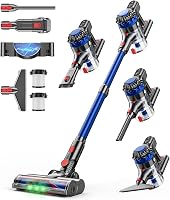
What Is a Stick Vacuum?
A stick vacuum is a slim vacuum with a long handle and a floor head for routine cleaning and quick pickups. Stick describes its shape: it can be corded or cordless, and many models convert to handheld use.
On this page (8 sections)
- What is a stick vacuum, and how does it work?
- What can you clean with a stick vacuum?
- What is the difference between a stick vacuum and a cordless vacuum?
- How is a stick vacuum different from an upright?
- How do you choose a stick vacuum for your home?
- How do you set up and store a stick vacuum?
- How do you keep a stick vacuum working well?
- Is a stick vacuum right for your home?
A stick vacuum is a slim vacuum with a long handle and a floor head, built for routine floor cleaning and quick pickups. Many models also convert to handheld use for furniture and stairs.
Knowing what a stick vacuum is helps you separate its shape from its power source. Stick models can be corded or cordless, and choosing well means matching the head, handling, and cleaning time to your home.
What is a stick vacuum, and how does it work?
A stick vacuum uses a motor to draw air and debris through a cleaning head into a dustbin. Filters catch smaller particles before the air leaves the machine.
The narrow body connects the handle to the floor head, letting you clean while standing. On convertible models, removing the long tube or handle creates a shorter unit for above-floor jobs.
A powered brush roll helps loosen debris from carpet. On delicate hard floors, use the head and brush setting approved for that surface, and keep its wheels and underside free of grit.
What can you clean with a stick vacuum?
A stick vacuum can clean floors, stairs, and furniture when its head and tools suit those surfaces. Start with the floor you clean most often, then consider the extra jobs.
For hardwood, tile, and laminate, look for a suitable floor setting and a head that reaches around chair legs. For carpet, confirm compatibility with your pile height rather than assuming every powered brush will move easily through it.
Pet hair calls for both a suitable brush and regular maintenance. Anti-tangle designs can reduce wrapping, but hair can still collect at the brush ends and around the intake.
A handheld form helps on stair treads and upholstery because you can work without steering a full-length tube. See our guides to cordless vacuums for stairs and cordless vacuum attachments for those jobs.
What is the difference between a stick vacuum and a cordless vacuum?
Stick describes the shape; cordless describes the power source. A cordless vacuum can be a stick or a handheld model, while a stick vacuum can run from an outlet.
Choose cordless for short sessions across rooms or floors where managing a cable would slow you down. Choose corded if you prefer continuous cleaning without planning around battery charge.
The complete cordless stick vacuum guide covers the format in more detail. For the convenience trade-offs, read are cordless vacuums worth it?.
What is a cordless stick vacuum's useful runtime?
Useful runtime is how long it runs with the head and power setting you need. A maximum figure measured with a small tool won't tell you how much floor you can cover.
Levoit gives the LVAC-200 up to 50 minutes with the crevice or pet tool in Eco mode, 30 minutes with the vacuum head, and 12 minutes in Turbo mode. Plan floor cleaning around the head figure and leave Turbo for patches that need extra power.
The Levoit suits frequent dry pickups in homes where hair collects around furniture. Its anti-tangle brush, pet tool, and 180-degree flat position make it a useful choice for hair cleanup and reaching beneath low furniture.
It weighs 6.2 pounds and has a 0.75-liter bin. Skip it if your routine requires more than its Turbo runtime without a pause, or if you need to collect liquids.
Estimate your cleaning time rather than counting rooms alone. Our guide to how much battery runtime you need explains how to allow for furniture, stairs, and repeat passes.
How is a stick vacuum different from an upright?
A stick vacuum generally offers a slimmer body for carrying and storage, while an upright often provides a wider cleaning path and larger debris capacity. Those differences matter most when you compare short pickups with long floor-cleaning sessions.
A lower total weight doesn't always mean less effort. Weight near the handle can feel more noticeable when cleaning curtains or carrying the vacuum upstairs, so consider where you'll use it.
Choose an upright when broad carpet coverage and fewer emptying stops matter more than compact storage. The stick vacuum versus upright vacuum guide explains the trade-offs.
How do you choose a stick vacuum for your home?
Choose by floor type, session length, handling, and storage space, in that order. A long attachment list won't make up for a floor head that doesn't suit your main rooms.
Match the floor head to your busiest rooms
Start with the surface that takes the most work, especially if carpet covers most of your home. For mixed surfaces, check how you change brush settings and whether the head suits both rugs and hard floors.
The Bissell 3061 Featherweight is a practical choice for short hard-floor cleanups and compact storage. It converts between stick, high-reach, and handheld forms, with a brush roll you can switch on or off.
Bissell gives it up to 20 minutes of runtime, with a full charge taking 4.5 hours. Its folding handle helps it reach under furniture and fit into a smaller storage space.
Choose it for a kitchen, apartment, or secondary vacuum used between bigger cleans. Skip it for long uninterrupted sessions or if its 0.45-liter bin would need emptying too often.
For homes split between rugs and bare floors, see how to choose a cordless vacuum for carpet and hardwood. Compare broader buying priorities in our how to choose a cordless vacuum guide, or focus on handling with lightweight cordless vacuums.
Choose bin space and tools for your actual mess
A larger bin helps when you collect bulky debris or pet hair, while useful attachments extend the vacuum beyond floors. Count the tools you'll use each week rather than the number of possible configurations.
The NuYupo DHC100 suits buyers who want more bin space and several above-floor tools. It converts to handheld use and includes dust, pet hair, and dryer vent tools.
It has a 1.5-liter bin, a detachable battery, and up to 45 minutes of runtime in Eco mode. Its display shows remaining power, and the self-standing design lets you pause to move a chair or clear an obstacle.
Choose it if those tools and the larger bin match your routine. Skip it if you mainly need a compact crumb cleaner, or if you expect its maximum runtime while using higher suction.
A dryer vent attachment is for accessible lint removal, not a substitute for clearing the full exhaust duct. Our cordless vacuum attachments guide explains which tools fit common jobs.
How do you set up and store a stick vacuum?
Assemble it fully, charge it as directed, and choose a secure storage spot before the first clean. Check that the bin, filter, tube, and head are seated correctly.
For a wall mount, follow the supplied fixing instructions and choose a location near a suitable outlet. Keep the charging lead out of walking paths and allow room to remove the vacuum without catching nearby shelves.
Don't assume a stick vacuum stands by itself. Use its approved stand or mount, and keep attachments together so the crevice tool is easy to find when crumbs fall between cushions.
Our stick vacuum storage ideas can help you plan a charging spot in a closet or utility area.
How do you keep a stick vacuum working well?
Empty the bin before debris reaches its fill line and keep the air path clear. A packed bin, clogged filter, or blocked tube can reduce airflow and shorten useful cleaning time.
Turn the vacuum off before removing tangled hair or checking a blockage, and disconnect power as its manual directs. Inspect the brush ends as well as the visible bristles.
Wash only filters identified as washable, then let them dry fully before refitting. Bissell includes a washable filter; Levoit recommends filter replacement every 3 months, while NuYupo recommends cleaning its HEPA filter every 2–3 weeks and replacing it every 3 months.
Avoid these common mistakes:
- Using maximum power everywhere: start with the lowest setting that collects the debris.
- Rushing over carpet: make steady passes so the brush has time to work.
- Collecting wet spills: use a machine designed for liquids.
- Forcing a jammed head: stop and clear the obstruction before continuing.
- Buying on filtration alone: filter type doesn't establish that the whole vacuum is sealed.
Is a stick vacuum right for your home?
Choose a stick vacuum when frequent pickups, manageable storage, and access around furniture matter most. If you're asking what a stick vacuum is because you need a main cleaner, first confirm that it can finish your usual floors without repeated stops.
Pick the Levoit for daily hair cleanup and low-furniture reach. Choose the Bissell for short hard-floor sessions and folding storage, or the NuYupo for a larger bin and a wider selection of tools.
For large carpeted rooms, prioritize floor-head suitability and sustained cleaning over a slim shape. Compare more options in the best cordless stick vacuums.
Frequently asked questions
What is a stick vacuum used for?
A stick vacuum handles routine floor cleaning and quick pickups, with some models converting to handheld use for furniture or stairs. Choose a floor head suited to your surfaces and tools that reach your tight spots, then check whether its bin and runtime fit your usual cleaning session.
What is the difference between a stick vacuum and an upright?
A stick vacuum usually has a slimmer body, while an upright generally has a broader floor head and more room for debris. Choose by the work involved: carrying between floors favors a manageable stick model, while long sessions across large carpeted rooms may favor an upright.
Are all stick vacuums cordless?
No, a stick vacuum can use either a power cord or a rechargeable battery, because the name describes its shape. Cordless models let you move between rooms without changing outlets, while corded models avoid battery limits but require you to manage the cord as you clean.
Can a stick vacuum replace a full-size vacuum?
Yes, a stick vacuum can be your main vacuum if its floor head, bin capacity, and power source suit your whole home. For large carpeted areas or heavy debris, choose carefully: frequent bin emptying and battery stops can make a compact model less convenient than a larger machine.