How to Choose a Cordless Vacuum for Carpet and Hardwood
The best cordless vacuum for carpet and hardwood is the Shark PowerPro Reveal Plus IZ376H for automatic floor changes. Choose the Dyson V8 for lower carrying weight, the Levoit LVAC-200 for flat reach, or the Bissell PowerClean FurGuard for pet upholstery and self-standing storage.
On this page (11 sections)
- What should the best cordless vacuum for carpet and hardwood handle?
- Does the brushroll adjust between carpet and hardwood?
- How much runtime do you need for mixed floors?
- Which features matter most for carpet and hardwood?
- Which cordless vacuums fit a carpet and hardwood home?
- How should you compare weight, tools and storage?
- How should you set up a cordless vacuum for mixed floors?
- How do you clean carpet and hardwood without wasting battery?
- What care keeps pickup consistent?
- What should you check before buying?
- Which is the best cordless vacuum for carpet and hardwood for your home?
The best cordless vacuum for carpet and hardwood is the Shark PowerPro Reveal Plus IZ376H if you want automatic adjustment between surfaces. The Dyson V8, Levoit LVAC-200 and Bissell PowerClean FurGuard offer stronger reasons to choose them when carrying weight, low furniture or pet upholstery matters more.
Start with the rooms you clean most, rather than the longest advertised runtime. A vacuum that reaches beneath your sofa or feels manageable on stairs can save more effort than an extra feature you rarely use.
For a wider overview of styles and features, see our cordless stick vacuum buying guide. This guide focuses on choosing and using one vacuum across carpet and hardwood.
What should the best cordless vacuum for carpet and hardwood handle?
A mixed-floor vacuum needs a suitable floor head, usable battery time and manageable handling across your main rooms. Match it to the hardest part of your routine, then check that it also covers the easier jobs.
Write down which rooms have carpet, which have hardwood and where rugs sit between them. A mostly hardwood apartment with a bedroom rug needs a different cleaning plan from a house with carpeted bedrooms and stairs.
Note carpet pile, loose rug edges and any delicate floor finishes. Follow both the flooring maker's care guidance and the vacuum's surface instructions, especially for thick pile, fringe or powered brushes.
Think about where dirt builds up, too. Hair beneath furniture, grit at an entrance and fur on a couch call for different combinations of reach, floor-head control and attachments.
Does the brushroll adjust between carpet and hardwood?
Automatic brushroll adjustment is most useful when your route changes surfaces often. Manual settings can also work well if you don't mind making the change yourself.
The Shark in this guide senses carpet or hard floor and changes brushroll speed. That makes it the clearest fit for rooms where you cross repeatedly between exposed hardwood and area rugs.
Floor detection does not replace checking rug instructions. Keep fringe away from the powered head, and stop if a rug bunches, the head becomes hard to push or the brush stops turning.
For a dedicated comparison of hard-floor options, see our best cordless vacuums for hardwood floors. If carpet is the main concern, our cordless vacuums for carpet guide narrows in on that surface.
How much runtime do you need for mixed floors?
Choose battery time by the floor head and mode you'll use, then leave some room for slower work. A maximum handheld figure should not become your estimate for vacuuming every room.
Time a normal cleaning route, including edges and moving around furniture. Separate that from an occasional whole-home clean so you don't buy around a task you only do rarely.
| Model | Published runtime and conditions |
|---|---|
| Levoit LVAC-200 | Up to 30 minutes with the vacuum head; up to 50 minutes with the crevice or pet tool in Eco; 12 minutes in Turbo |
| Shark PowerPro Reveal Plus | Up to 40 minutes, measured as a handheld in standard mode |
| Dyson V8 | Up to 40 minutes; varies with mode, dust level, floor type and attachments |
| Bissell PowerClean FurGuard | Up to 50 minutes in low mode or 13 minutes in turbo |
These figures have different conditions, so they aren't a direct ranking of floor-cleaning endurance. For planning a floor routine, Levoit's separate head figure is more useful than assuming its maximum applies with every attachment.
Use the normal suitable mode for routine work and save higher power for areas that need it. If most of your route requires maximum power, plan around the shorter figure or consider splitting the job.
Our guide to how much cordless vacuum runtime you need explains how to compare battery claims with a real cleaning routine.
Which features matter most for carpet and hardwood?
Prioritize surface compatibility and everyday handling, then choose tools and storage features around jobs you already do. More attachments won't help if the vacuum is awkward to carry or difficult to store.
| Feature | Buying question |
|---|---|
| Floor head | Does it suit your carpet and hardwood finish? |
| Adjustment | Will frequent surface changes need your attention? |
| Handling | Can you comfortably carry it and steer around furniture? |
| Tools | Do you need to clean fabric, stairs or narrow gaps? |
| Dustbin | Will hair and debris force frequent emptying? |
| Filtration | Is particle capture supported by a sealed system? |
| Storage | Can you charge and secure it near your cleaning route? |
A particle-capture percentage describes filtration under stated conditions, not a promise about the air throughout your home. A sealed design also matters because air needs to pass through the filter rather than escape around it.
Choose attachments by the surface they solve. Our guide to cordless vacuum attachments explains which tools are useful for furniture, corners and other jobs beyond floors.
Which cordless vacuums fit a carpet and hardwood home?
Choose among these 4 by the task that causes the most work: reaching beneath furniture, changing floors, carrying upstairs or removing fur from fabric. Each has a distinct reason to make your shortlist.
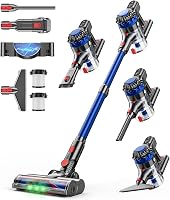
Levoit LVAC-200: cordless vacuum for carpet and hardwood under furniture
Choose the Levoit for routine floor cleaning around low furniture. Its body lies 180° flat, which makes it worth considering if the space beneath beds and sofas is a frequent cleaning target.
Check the clearance beneath your furniture, including crossbars and supports. A flat body helps with access, but the floor head still needs room to pass underneath.
The anti-tangle brush targets hair wrap, while 3 LED lights help reveal dust in darker spaces. Its 0.75 L bin is also useful if you want fewer emptying stops during routine cleanup.
Skip it if automatic floor detection or self-standing storage is your main requirement. The Shark and Bissell give you those specific features, respectively.
Levoit recommends replacing the filter every 3 months, so include replacements in your care plan. Use this vacuum for dry messes only, never wet spills or liquids.
Shark PowerPro Reveal Plus IZ376H: for frequent floor changes
Choose the Shark for a floor plan with repeated carpet-to-hardwood transitions. FloorDetect changes brushroll speed as it senses the surface, reducing the manual changes in that route.
Dirt-Reveal Technology and LED headlights help you spot debris, and the self-cleaning PowerFins brushroll is designed to reduce hair wrap. Those features suit regular floor cleanup in homes with pets or long hair.
Shark pairs HEPA filtration with its Anti-Allergen Complete Seal system. It also converts to a removable hand vacuum and includes crevice and upholstery tools for cleaning beyond the floor.
Skip it if carrying weight is your first concern. At 7.9 lb, it's the heaviest of these 4, making the Dyson the more direct choice for buyers focused on frequent lifting.
The battery is removable, and its charge time is 3 hours. Plan your charging spot before buying so the vacuum can be ready when you usually clean.
Dyson V8 Cordless Vacuum: for carrying between floors
Choose the Dyson V8 if lower carrying weight matters most. It's the lightest of these 4, making it a sensible shortlist choice for a home with stairs or separate cleaning areas.
The Motorbar head covers carpet and hard floors, with hair-removal vanes designed to clear wrapped long hair and pet hair as you clean. The included crevice tool covers narrow edges and gaps.
It converts to a handheld for stairs, cars and upholstery. However, that conversion alone isn't a reason to assume it includes a dedicated fabric-cleaning tool; the supplied tools here are the Motorbar head and crevice tool.
Skip it if you'd rather avoid a power trigger or want automatic floor detection. The trigger controls power use, so consider whether that control style suits your grip before choosing it for longer sessions.
Dyson backs the V8 with a 2-year limited warranty and lifetime support. It also includes a wall dock and charging cord for a planned storage spot.
Bissell PowerClean FurGuard 4039: for pet upholstery and cleaning pauses
Choose the Bissell when fur on furniture is as much work as dirt on floors. Its FurFinder upholstery tool gives it a clear role beyond routine carpet and sealed-hard-floor cleaning.
The FurGuard brushroll is designed to resist wrap from pet and human hair up to 16 inches long. FurFinder headlights help reveal hair and debris, while a sealed HEPA system contains dust and allergens.
Self-standing storage is useful if you often pause to move a chair or clear something from your path. Keep it on a stable, level surface and away from places where children or pets might knock it over.
Skip it if a small dustbin would interrupt your routine. Its 0.3 L capacity calls for attention during fur-heavy jobs, and its 7.3 lb weight makes the Dyson a better starting point for frequent carrying.
The removable battery gives you flexibility when planning charging. Use the wall mount if a secured storage position suits your home better than standing storage.
How should you compare weight, tools and storage?
Judge handling by both carrying and the work your wrist will do. Total weight matters on stairs, while balance and grip become more noticeable when you clean upholstery or reach upward.
A handheld conversion removes the long floor-cleaning setup, but you still need to support the motor and bin. Plan short sections for stairs and above-floor work rather than assuming a lighter vacuum will feel effortless everywhere.
Measure your storage space and find a suitable outlet before ordering. Check whether the handle, dock and attachments will fit without blocking a door or walkway.
A charging location near your busiest rooms makes quick cleanup easier to start. Our stick vacuum storage ideas can help you plan a spot for both the vacuum and its tools.
If you're deciding whether this style suits your home at all, read what a stick vacuum is.
How should you set up a cordless vacuum for mixed floors?
Start with a full charge, correctly fitted parts and a clear cleaning route. Check the manual for assembly, charging and surface settings before the first use.
Confirm that the bin, filters, wand and head are seated properly. Loose parts or an incorrectly fitted filter can interfere with airflow and debris collection.
Clear cords, coins, small toys and loose rug fringe from the route. Pick up hard or sharp debris that could damage the vacuum or scratch the floor if dragged beneath the head.
Check the underside of the head and its wheels for grit before moving onto hardwood. Follow the floor maker's instructions, and begin with the recommended setting rather than selecting maximum power by habit.
Clean open floor areas first, then use the appropriate tool for edges and furniture. Keep the crevice tool nearby so you can finish narrow spaces without repeatedly walking back to storage.
How do you clean carpet and hardwood without wasting battery?
Use steady passes and suitable power, giving the head time to collect debris. Rushing across a room and repeating the whole route can waste more battery than slowing down at the start.
On carpet, overlap passes slightly and give busy paths extra attention. If the head is hard to push or pulls a rug upward, stop and check the approved setting instead of forcing it forward.
On hardwood, collect gritty debris promptly and inspect the wheels when moving from a dirty entrance. Use a suitable edge tool where the floor head cannot reach, rather than pressing the head against trim.
Reserve higher power for a defined patch when needed, then return to your routine setting. Persistent weak pickup calls for a bin, filter and blockage check before another pass at maximum power.
Keep powered tools away from moisture unless the manual expressly allows it. For a wet spill, use a cleaning method suited to both the spill and your floor finish.
What care keeps pickup consistent?
Keep the air path clear and the brush free to turn. An overfilled bin, clogged filter or blocked wand can make an otherwise suitable vacuum struggle on either surface.
Empty the bin before debris reaches its fill line, especially after collecting bulky pet hair. Hair can take up space quickly even when the amount of dirt looks small.
Turn the vacuum off and follow the manual's battery instructions before checking the brush or clearing a blockage. Inspect the head, wand connections and bin inlet rather than assuming every pickup problem starts at the filter.
Wash a filter only if the instructions allow it, and let it dry fully before refitting it. Follow the model's replacement schedule and use compatible parts.
Anti-tangle designs still need inspection for thread, string and trapped debris. Our guide to stopping hair wrap on a cordless vacuum brush explains how to reduce repeated buildup.
What should you check before buying?
Confirm floor compatibility, a workable cleaning route and a charging spot before making the final choice. Then check the model's main trade-off against your own habits.
- Identify carpet pile, rug edges and hardwood finish requirements.
- Compare battery conditions with the head and mode you'll use.
- Decide how often you'll carry the vacuum upstairs.
- Choose tools for the furniture and gaps you actually clean.
- Check bin capacity against the amount of pet hair you collect.
- Plan filter care, replacement parts and storage.
Don't buy around maximum runtime alone or assume every handheld setup includes an upholstery tool. Those mistakes can leave you with enough battery for the wrong task or no suitable attachment for a regular job.
For broader buying advice, read our complete cordless stick vacuum guide. If long sessions remain your main concern, our cordless vs corded vacuum comparison can help frame that choice.
Which is the best cordless vacuum for carpet and hardwood for your home?
Choose the Shark for frequent surface changes, the Dyson for frequent carrying, the Levoit for low-furniture reach, or the Bissell for pet upholstery and self-standing pauses. Let the job you repeat most decide which feature earns its place.
Before ordering, check that model's trade-off: carrying weight, trigger control, storage style or bin size. The best cordless vacuum for carpet and hardwood should fit your normal routine without creating a new chore.
If one surface dominates your home, use our focused guides to carpet vacuums and hardwood vacuums to narrow the choice further.
Frequently asked questions
Can one cordless vacuum clean both carpet and hardwood?
Yes, one cordless vacuum can cover both when its head suits your carpet and floor finish; choose automatic floor adjustment if you cross surfaces often, or follow the model's manual settings. Check care instructions for delicate rugs and hardwood before using a powered brushroll.
Is a soft brushroll better for hardwood?
A soft brushroll can suit hardwood, but compatibility with your floor finish comes first; a head designed for both surfaces may be more convenient if you also clean carpet. Keep wheels and the underside free of grit, and follow your flooring manufacturer's guidance on powered brushes.
How much runtime do I need for a cordless vacuum?
You need enough runtime to finish your usual route with the floor head and power mode you'll actually use; time that route and leave room for slower carpet passes. Maximum figures may apply to low power or handheld use, so compare the conditions before choosing a battery.
Should I choose a vacuum that detects floor type?
Choose floor detection if your cleaning route crosses carpet and hardwood often and you want fewer manual changes; the Shark here adjusts brushroll speed automatically between those surfaces. You should still follow rug and floor-care instructions, since automatic adjustment does not establish compatibility with every finish or carpet.
What should I check before buying a cordless vacuum for carpet and hardwood?
Check surface compatibility first, then floor-head runtime, handling, dustbin size and the tools you'll use; plan a charging spot and check filter care before ordering. For pet homes, decide whether hair on floors or embedded fur on furniture creates more work, since those jobs favor different features.