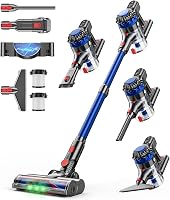
Stick Vacuum vs Upright Vacuum: Which Should You Buy? (October 2026)
For stick vacuum vs upright, choose a stick for quick pickups, stairs, and flexible reach, or a larger-tank upright for heavier dirt loads. A cordless upright suits short floor sessions, so compare the exact model's tools, capacity, and runtime.
On this page (9 sections)
- Stick vacuum vs upright: which is easier to use?
- Which vacuum suits your floor routine?
- Which style works better for carpets and hard floors?
- Which vacuum is better for pet hair?
- Who should buy each vacuum, and who should skip it?
- How much storage space do stick and upright vacuums need?
- How should you set up and care for your vacuum?
- What mistakes make the wrong vacuum seem like the right choice?
- Which vacuum should you buy for your home?
Choose a stick vacuum for quick pickups and flexible reach, or a larger-tank upright for heavier dirt loads. The stick vacuum vs upright decision comes down to your floors, carrying needs, and cleaning routine.
An upright can also be cordless, so shape and power source are separate choices. Start with the task you do most often: crumbs after meals, pet hair on furniture, stairs, or a full round of floor cleaning.
The Levoit LVAC-200 favors varied daily jobs, the Shark Freestyle Max favors short floor sessions, and the Bissell CleanView favors collecting more debris before emptying.


Stick vacuum vs upright: which is easier to use?
The easier vacuum is the one you can push, carry, and steer comfortably through your normal route. A light body helps with lifting, while head movement and handle position matter during floor cleaning.
Stick vacuums commonly place much of their weight near your hand. That can help with changing tools, but holding one above the floor may tire your wrist sooner than rolling it across a room.
An upright usually keeps more of its body near the floor during use. You still need to judge the effort of turning, pulling it back, and lifting it over thresholds.
The Levoit weighs 6.2 lb and lies 180° flat for reaching under furniture. Check the gap beneath your sofa, since lying flat doesn't mean the floor head will clear every low frame.
The Shark weighs about 7 lb, while the Bissell weighs about 13.5 lb. That carrying difference matters most when your cleaning route crosses levels or you must lift the vacuum into storage.
Which stick vacuum or upright is easier to carry upstairs?
A lighter vacuum with a suitable stair tool is the better choice for frequent stair cleaning. Plan how you'll carry the body and reach the tread edges before choosing by weight alone.
The Levoit is the clearest fit among these options because it combines the lowest weight with pet and crevice tools. The Shark package includes the vacuum and charging dock, so don't choose it expecting separate stair or furniture attachments.
Avoid balancing a full upright on a narrow step while pulling on a hose. Keep the machine stable and follow its instructions for stair use.
See our guide to whether cordless vacuums work well on stairs for more on choosing a portable setup.
Which vacuum suits your floor routine?
Match usable runtime and bin capacity to a normal session, including the rooms you usually clean together. A small home with frequent pickups has different needs from a home where dirt builds up between weekly cleans.
Time your current routine once, including edges and furniture moves. Then compare battery time using the floor head and power mode you'll actually need.
The Levoit offers up to 30 minutes with the vacuum head and up to 12 minutes in Turbo mode. Its longest figure, up to 50 minutes, applies to Eco mode with the crevice or pet tool.
The Shark has a 20-minute battery life. It suits a short route through busy rooms better than a cleaning plan that already takes longer than that.
When does cordless convenience help most?
Choose cordless for frequent starts and room changes, especially when plugging in feels like extra work for a small mess. A vacuum stored ready to use can make short daily cleaning easier to keep up.
Battery power still needs planning. If you regularly need high power, leave room in your schedule for charging rather than assuming the maximum runtime covers the whole home.
A corded vacuum suits long sessions when accessible outlets follow your cleaning route. Our guide to cordless vs corded vacuums explains that separate choice.
For a closer look at battery limits, see how much runtime you need. Divide a large home into realistic zones if you prefer shorter cordless sessions.
When is a larger dirt tank worth carrying?
A larger tank helps with bulky debris and fewer emptying stops. It matters most when pet fur, tracked-in dirt, or several rooms fill a small bin before you're finished.
The Bissell has a 2 L dirt tank, compared with the Levoit's 0.75 L bin and the Shark's 0.74 qt cup. Those units differ, but the Bissell is the clear capacity choice here.
A bigger tank doesn't remove the need to empty it at the fill line. Packed debris can obstruct airflow, so don't keep cleaning just because the container still appears to have a little space.
If you empty after every brief pickup, extra capacity may offer little benefit. In that routine, easy access and comfortable handling deserve more weight.
Which style works better for carpets and hard floors?
Choose a floor head and controls that suit your surfaces, rather than assuming an upright always wins on carpet. Carpet pile, rug edges, and delicate flooring affect how you should use any vacuum.
The Shark has 2 brushroll speeds for carpets and bare floors. That gives buyers a direct way to change the brush setting as they move between surfaces.
Bissell says its OnePass Technology helps remove surface debris from carpet on the first pass. Its Scatter-Free Technology is designed to reduce debris scatter on hard floors.
Treat the first pass as a starting point, then look for remaining debris. Slow, overlapping passes are more useful than moving quickly and returning over the same missed strip.
For hardwood and other easily marked surfaces, check your floor care instructions before using a powered brush. Keep grit off the wheels and underside, and stop if the head drags or catches.
On rugs, avoid pulling loose fringe into a rotating brush. Use the recommended setting and approach edges carefully instead of forcing the head across them.
Our guide to choosing a cordless vacuum for carpet and hardwood covers mixed-floor homes. If fur is your main concern, use the cordless pet hair vacuum guide to narrow the choice.
Which vacuum is better for pet hair?
The Levoit is the strongest match here for varied pet cleanup because it includes a pet tool and an anti-tangle brush. Choose by where the hair collects, since floor fur and upholstery need different tools.
Levoit designs its brush to reduce hair wrap. Check it regularly anyway, especially around the ends where hair and thread can collect.
Use the pet tool on suitable fabric surfaces according to the instructions. A floor head alone is an awkward substitute for cleaning cushion seams, narrow seats, or stair corners.
The Shark's LED headlights help reveal hair on the floor. It makes more sense for a household focused on floor fur than one needing a single package for floors and furniture.
Bissell describes a TurboBrush Tool for above-floor cleaning with the CleanView. Its larger tank also makes sense when loose fur fills a smaller container quickly.
Empty hair before it packs tightly around the bin's internal parts. Switch the vacuum off before clearing a brush, and follow the manual for safely removing tangled strands.
Read our advice on stopping hair from wrapping around a cordless vacuum brush if this is a recurring chore.
Who should buy each vacuum, and who should skip it?
Choose the Levoit for varied daily jobs, Shark for short floor runs, or Bissell for higher debris volume. The best fit is the one whose main compromise won't disrupt your routine.
Levoit LVAC-200: for frequent pickups and varied reach
Buy the Levoit if your routine moves from kitchen crumbs to sofa hair and low furniture. Its included pet tool and combined dusting brush and crevice tool give it the broadest stated tool set for those jobs here.
Skip it if you expect long floor sessions on the highest power setting. Buyers who dislike regular filter replacement should also factor that upkeep into their decision.
Shark Freestyle Max: for a simple floor routine
Buy the Shark if you prefer an upright layout and mainly clean open carpet and bare-floor areas. Its dock keeps it upright between uses, which suits a regular charging spot outside a crowded closet.
Skip it if your usual session exceeds its battery window or you need included tools for cushions, shelves, and stairs. A floor-focused vacuum can leave those other jobs needing a separate solution.
Bissell CleanView: for fewer emptying stops
Buy the Bissell if debris volume is your main frustration and most cleaning happens on one level. Its active extension wand reaches up to 10 ft for above-floor spots without lifting the whole body.
Skip it if you frequently carry your vacuum upstairs or struggle with heavier lifting. Wand reach helps with corners, but it doesn't make carrying the machine between floors easier.
How much storage space do stick and upright vacuums need?
Measure the complete storage setup, including the mount or dock and the space needed to remove the vacuum. A narrow body saves little trouble if accessories block access or charging requires moving furniture.
The Levoit includes a wall mount. Choose a suitable mounting surface and follow the installation instructions rather than assuming any closet wall can support it.
The Shark includes a charging dock that keeps the vacuum upright. Allow space to guide it onto the dock without catching nearby shelves or stored items.
For the Bissell, confirm assembled measurements before committing to a tight closet. Also account for the wand and any tools you want to store within reach.
Keep charging cables clear of doors and walking paths. A convenient storage spot should make returning the vacuum easy after a short cleanup.
See our ideas for where to store a stick vacuum. Our complete cordless stick vacuum guide also connects storage choices with tools, runtime, and everyday use.
How should you set up and care for your vacuum?
Assemble, charge, and check the airflow path before the first clean, then make emptying and brush checks part of your routine. Follow the model's manual for charging, filter care, and parts that can be washed.
Make sure the wand, floor head, and bin lock into place. A loose connection or poorly seated filter can cause problems that extra power won't solve.
Start with a clear floor by picking up cords, socks, and long string. Vacuuming around those items saves more time than stopping to free a blocked brush.
Choose attachments by the surface and gap you're cleaning. Our guide to which cordless vacuum attachments you need helps you avoid using a large floor head for every task.
Empty the bin before it reaches its limit, with the opening held low inside the trash container. Avoid shaking dust out at face level.
Inspect the head and air path if pickup drops, debris falls back out, or the sound changes. Turn the machine off before clearing a blockage instead of repeatedly switching to higher power.
Wash only parts the manual identifies as washable, and let them dry fully before refitting. Levoit recommends replacing the LVAC-200 filter every 3 months, so include replacements in your care plan.
Keep liquids out of a vacuum intended for dry debris. The Levoit is specifically designed for dry messes, so handle spilled drinks separately.
What mistakes make the wrong vacuum seem like the right choice?
The most common mistake is buying for one attractive feature while ignoring a daily limit. A light body, long runtime claim, or large tank helps only if the rest of the setup fits your work.
Don't compare maximum battery figures without checking the tool and mode behind them. Floor-head use and higher power can give you a very different cleaning window.
Don't assume a cordless upright includes handheld tools. Check the included equipment against the jobs you expect it to handle.
Don't choose only for the largest room in your home. Stairs, low beds, narrow chair gaps, and storage access may cause more repeated effort than open floor space.
Don't treat an anti-tangle brush as maintenance-free or use maximum power to compensate for a full bin. Check the brush, container, and filters before blaming the vacuum's shape.
Which vacuum should you buy for your home?
Settle the stick vacuum vs upright choice with your hardest regular task. Pick the model that handles that job without making carrying, emptying, or charging a constant interruption.
Choose the Levoit if you want one flexible setup for everyday crumbs, furniture hair, and low spaces. Keep your normal floor session within its usable battery window.
Choose the Shark if your main need is a short, straightforward floor clean with an upright layout. Make sure its floor-focused package covers the work you actually do.
Choose the Bissell if heavier dirt loads and fewer emptying stops matter most. It is a better fit when frequent stair carries aren't part of the routine.
If the format is still unclear, start with what a stick vacuum is. Once you've chosen the shape, use how to choose a cordless vacuum to check power, tools, and runtime before buying.
Frequently asked questions
Is a stick vacuum better than an upright?
A stick vacuum is usually the better fit for quick pickups, stairs, and reaching under furniture, while a larger-tank upright suits heavier dirt loads. Choose by your hardest regular task, then check floor-head suitability, carrying weight, included tools, storage needs, and battery time where relevant.
Can a stick vacuum replace an upright?
A stick vacuum can replace an upright when its floor head, runtime, and bin capacity cover your normal cleaning session. Use runtime with the main floor head to judge coverage, and allow for shorter operation on higher power rather than planning around the longest tool-only figure.
Are cordless upright vacuums worth considering?
A cordless upright is worth considering for short floor sessions when you prefer an upright layout and want freedom from a cord. The Shark Freestyle Max has a 20-minute battery life, so choose it for manageable floor areas rather than a long cleaning routine that regularly exceeds that window.
Which vacuum is easier to store?
The easier vacuum to store is the one whose mount or dock fits near a suitable outlet with room for removal. The Levoit includes a wall mount and the Shark includes a charging dock, so measure the complete storage setup rather than judging space from the vacuum body alone.
Which type is better for stairs?
For stairs, choose a vacuum you can carry comfortably with a tool that reaches each tread and corner. A lighter stick can suit this job, but check the working grip and attachment setup, and keep the machine stable without placing it where it could fall down the steps.