Are Cordless Vacuums Worth It?
Cordless vacuums are worth it for short, frequent cleanups when their floor-head runtime covers your usual route. Choose corded power for long sessions, or keep a cordless model as a second vacuum for daily messes.
On this page (7 sections)
- Are cordless vacuums worth it for your home?
- How much battery runtime do you actually need?
- Which cordless vacuum fits your cleaning routine?
- What should you check before buying?
- How should you set up and care for a cordless vacuum?
- Which mistakes make a cordless vacuum poor value?
- When are cordless vacuums worth it, and which should you choose?
Cordless vacuums are worth it for short, frequent cleanups when their working runtime covers your home. They make less sense as your only vacuum if you regularly clean large areas in one long session.
Their value comes from being easy to grab for crumbs, tracked-in dirt, and fur. A vacuum you can reach and put away quickly can make daily cleaning easier to keep up with.
The right choice depends on your floors, cleaning route, and storage space. Start with those needs before comparing motor numbers or maximum battery claims.
Are cordless vacuums worth it for your home?
A cordless vacuum is worth buying when cord handling slows down jobs you do often. It can serve as your main vacuum for a manageable cleaning route or as a second vacuum for daily pickups.
Picture a normal week: kitchen crumbs after meals, fur near a pet bed, and dust on stairs. These separate jobs favor a vacuum that moves easily between rooms and converts for furniture.
A long weekly clean across several carpeted rooms creates a different need. You may spend enough time at higher power that uninterrupted corded use matters more than quick setup.
The complete cordless stick vacuum buying guide covers the main features. Use our cordless vs corded vacuum comparison if you're choosing one machine for every job.
Are cordless vacuums worth it as a second vacuum?
A cordless vacuum can be worth it even when you keep a corded vacuum. Give it the frequent, smaller jobs and use the corded machine for longer cleaning sessions.
This arrangement works best when the cordless vacuum has an accessible storage spot. If reaching it means moving boxes or assembling several parts, much of the convenience disappears.
How much battery runtime do you actually need?
You need enough floor-head runtime in your usual power mode to finish your regular route, with room for an unexpected mess. Time your cleaning rather than guessing from the number of rooms.
Include furniture, stairs, and edges if those are part of the same session. A route that barely fits the battery leaves little room for a second pass or heavier dirt.
Maximum runtime figures aren't directly comparable when brands use different tools and conditions. Handheld use, low suction, and no-load measurements describe different demands from running a floor brush across carpet.
Our guide to how much cordless vacuum runtime you need explains how to match those figures to your routine.
Don't plan to use maximum power everywhere. Start with the lowest suitable setting and increase it for areas that need more attention, following the vacuum's instructions.
Which cordless vacuum fits your cleaning routine?
Choose the model whose tools, handling, and storage match your daily jobs. These 4 options suit different routines, so use their practical differences to narrow your choice.
Shark IX141: for pet furniture and stairs
The Shark Pet Cordless Stick IX141 suits people who move between floors, stairs, and upholstered furniture. Its removable handheld unit, Pet Multi-Tool, and Crevice Tool give each job a clear setup.
Shark specifies up to 40 minutes at the handheld vacuum in standard mode. Allow for different battery demands when planning a floor-cleaning session.
The bristle brushroll covers carpet and hard floors, while headlights help reveal debris in dim spaces. Its 0.34-quart dust cup makes frequent emptying part of the routine, especially around shedding pets.
Skip it if you want a large debris container for long cleaning rounds. For storage, detach the handheld unit and clip it at the wand's base to make the vacuum freestanding.
Levoit LVAC-200: for frequent hair cleanup
The Levoit LVAC-200 suits households that deal with hair on floors and furniture. Its anti-tangle brush is designed to reduce wrap, and the 2-in-1 pet tool handles upholstery jobs.
Levoit specifies up to 30 minutes with the vacuum head, 50 minutes with the crevice or pet tool in Eco mode, and 12 minutes in Turbo. Use the floor-head figure when planning your main cleaning route.
The body lies 180° flat for reaching under furniture, provided there's enough clearance. That makes it a useful choice when dust collects beneath beds and sofas.
Skip it as your only vacuum if your regular route needs long periods in Turbo. Levoit recommends replacing the filter every 3 months, so include replacement filters in your running costs.
JellyPig X100: for frequent pauses between tasks
The JellyPig X100 suits people who stop to move chairs, clear toys, or change cleaning areas. Its self-standing design gives you a place to pause without leaning it against furniture.
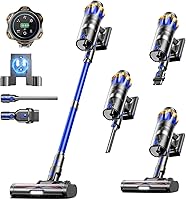
The 1.8-liter dust cup suits debris-heavy rounds, while the screen shows battery status and maintenance information. The V-shaped brush and guide comb are designed to reduce hair tangles.
JellyPig's up-to-70-minute figure uses low suction under no-load conditions at 25°C with a new, fully charged battery. Don't build a 70-minute floor-cleaning plan around that measurement.
Skip it if your main requirement is a stated floor-head runtime for a long route. JellyPig also calls for cleaning the filter, tube, and brush roller every 1–2 weeks.
KARDV: for mixed floor and furniture jobs
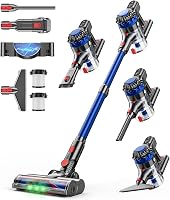
The KARDV 60-Minute Cordless Vacuum suits people who want one machine for floors, sofa gaps, and car seats. It combines handheld use with a 5-pound weight and several included attachments.
KARDV specifies up to 60 minutes in minimum mode and 20–25 minutes in maximum mode. Its 1.5-liter dust cup offers room for loose fur and everyday debris.
The green floor light helps reveal dust in darker areas, and the display includes a brush-winding reminder. Wall-mounted charging suits a permanent storage spot near an outlet.
Skip it if you can't accommodate that charging arrangement or need longer continuous use at maximum power. A removable battery alone doesn't establish the availability or compatibility of a spare.
What should you check before buying?
Check floor compatibility, handling, and replacement parts before comparing extra features. A large motor number won't tell you whether the vacuum fits under your sofa or feels comfortable on stairs.
For mixed floors, confirm the head suits each surface and follow any rug restrictions. Our guide to choosing a cordless vacuum for carpet and hardwood helps you weigh those needs.
Weight matters, but so does where you hold it. Carrying the whole vacuum upstairs and holding a handheld unit against curtains place different demands on your arm.
Check the reach of the tools you'll use most. A crevice nozzle helps along sofa seams, while upholstery and dusting tools serve different surfaces; our cordless vacuum attachment guide explains which ones deserve storage space.
Finally, confirm that compatible filters, batteries, and brush parts are available. Read the care directions so you know which parts can be washed and which need replacing.
How should you set up and care for a cordless vacuum?
Give it a fixed, accessible charging spot and follow the model's charging instructions before first use. Keep the tools you use most beside it so switching jobs stays simple.
Use the supplied charger and secure any wall mount as directed. For the JellyPig X100, disconnect the charging cable before switching the vacuum on.
After cleaning, empty debris before it packs tightly against the filter or reaches the fill line. JellyPig specifically recommends emptying its cup after each use.
Inspect the roller and air path when pickup drops. Switch off the vacuum and follow its battery-disconnection instructions before removing hair or clearing a blockage.
Wash only parts the manual identifies as washable, and let them dry fully before reassembly. A damp filter can restrict airflow and carry moisture into places that should stay dry.
For longer-term planning, read how long cordless vacuums last. Battery condition, available replacement parts, and regular care all affect the value you get.
Which mistakes make a cordless vacuum poor value?
The biggest mistake is buying for maximum runtime instead of your actual cleaning job. Choosing more suction for every surface can then shorten sessions further.
Another mistake is assuming anti-tangle means maintenance-free. Check the roller ends and brush opening, where hair and thread can still collect.
Avoid using a dry vacuum for liquid spills or damp debris. Levoit specifically limits the LVAC-200 to dry messes; follow each model's manual for allowed materials.
Don't replace a battery or filter before checking for a full bin or blocked air path. Basic care may address weak pickup without buying another part.
When are cordless vacuums worth it, and which should you choose?
Cordless vacuums are worth it when they finish your usual jobs and stay easy to reach. Keep corded power for sessions that regularly exceed the runtime available with the floor head.
Choose Shark for its handheld setup and pet upholstery tool, or Levoit for frequent hair cleanup with clear mode-specific runtime figures. Choose JellyPig for self-standing pauses, or KARDV for mixed floor and furniture jobs with wall-mounted charging.
Before ordering, time one normal cleaning route and choose the charging spot. Then use the cordless stick vacuum buying guide to check the remaining features against those two practical needs.
Frequently asked questions
Are cordless vacuums worth it for a small home?
Yes, cordless vacuums often suit small homes because short cleaning routes make battery limits easier to manage. Choose a model with enough runtime using its floor head, then check where you'll charge and store it.
A compact floor plan still needs suitable tools for carpets, furniture, and pet hair.
Can a cordless vacuum replace an upright vacuum?
A cordless vacuum can replace an upright if it covers your floors, furniture, and usual cleaning time without a recharge. For large carpeted areas or long sessions that need higher power, keep a corded option.
Compare working runtime and floor-head suitability before making cordless your only vacuum.
How long should a cordless vacuum run?
It should run long enough to finish your normal cleaning route with a margin for extra messes. Time that route, including stairs and furniture, then compare runtime with the floor head and power mode you'll use.
A maximum measured with a small attachment won't represent the same job.
Are cordless vacuums good for pet hair?
Cordless vacuums can suit pet hair when the floor brush and upholstery tools match where fur collects. An anti-tangle roller helps reduce hair wrap, but you'll still need to inspect and clean it.
Frequent emptying also matters because loose fur can fill a dust cup before other debris does.